Ben Braun · 25 October 2026
Decoding Mobile Evolution: Expert Breakdowns of Launches, Comparisons, and Forward Looks in Industry News
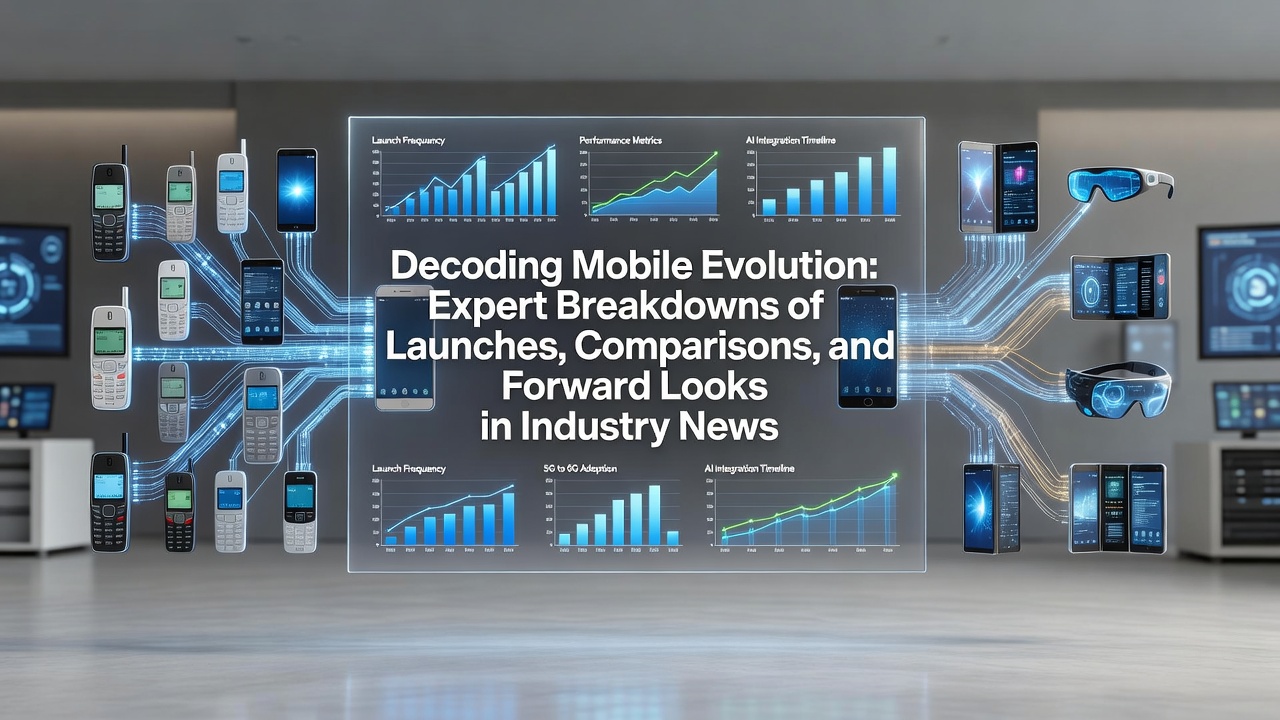
Industry observers track mobile device advancements through structured analyses of hardware releases, software integrations, and market positioning strategies that shape consumer options each quarter. In October 2026 data from multiple tracking firms shows continued emphasis on processor efficiency alongside expanded artificial intelligence features across flagship models from major manufacturers. Analysts compare battery performance metrics, camera sensor capabilities, and display refresh rates while evaluating how these elements align with network infrastructure upgrades that support higher data throughput.
Recent Device Launches and Technical Specifications
Manufacturers introduced several new handsets during the third quarter of 2026, with Samsung releasing its Galaxy Z Fold series update that incorporates a larger inner display measuring 8.2 inches and improved hinge durability tested to withstand over 500,000 folds according to company durability reports. Apple followed with iPhone 18 models featuring enhanced neural processing units that handle on-device machine learning tasks for image recognition and voice command processing at reduced latency levels. Google expanded its Pixel lineup with the Pixel 11 Pro variant that integrates satellite connectivity for emergency messaging in remote areas, a feature previously limited to premium tiers but now available across mid-range devices in select markets.
Comparisons between these releases highlight differences in chipset architecture, where Qualcomm's Snapdragon 8 Gen 5 powers multiple Android devices with 4-nanometer fabrication that balances thermal output and sustained performance during extended gaming sessions, whereas Apple's A19 chip maintains tighter integration with iOS optimizations for consistent frame rates in graphics-intensive applications. Data from the GSM Association indicates that global smartphone shipments reached 285 million units in the second quarter of 2026, reflecting a 3 percent increase driven primarily by demand in Asia-Pacific regions where 5G adoption rates exceed 65 percent in urban centers.
Market Comparisons Across Operating Systems and Form Factors
Market researchers at firms such as Counterpoint Research document how Android maintains a 71 percent global share while iOS holds steady near 28 percent, with variations appearing when segmented by price tiers where premium segments above 800 dollars favor iOS devices in North American markets. Foldable phones represent a growing category with shipments climbing to 18 million units year-to-date in 2026, and experts compare hinge mechanisms alongside crease visibility on flexible displays from Samsung, Huawei, and Motorola offerings. Battery endurance tests conducted under standardized conditions reveal that devices equipped with 5,000 milliamp-hour cells and efficient display panels deliver between 10 and 14 hours of mixed usage, though results vary based on network signal strength and background application activity.
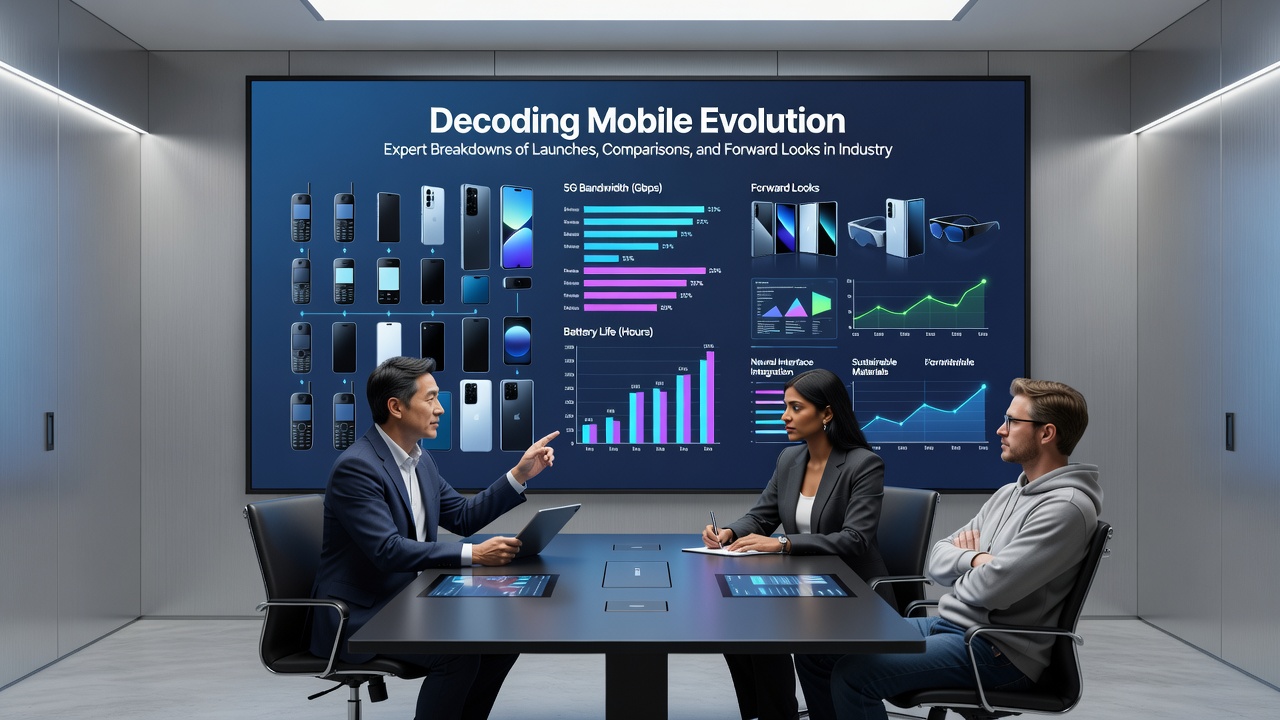
Forward-looking assessments from research institutions project that 6G network trials will expand in 2027, building on terahertz frequency experiments already underway in laboratories across Europe and East Asia, while device manufacturers prepare hardware with advanced antenna arrays capable of supporting these higher bandwidth connections. The European Commission's digital single market reports outline regulatory frameworks that encourage spectrum allocation for next-generation wireless services, and similar initiatives appear in documents from the Australian Communications and Media Authority that emphasize infrastructure investment timelines through 2030.
Emerging Trends in Software Integration and Connectivity
Software updates continue to play a central role in extending device lifespans, with Google committing to seven years of OS and security patches for Pixel devices launched in 2026, a policy that aligns with similar extended support announcements from Samsung and OnePlus. Artificial intelligence features embedded in mobile operating systems enable real-time translation across 50 languages, photo enhancement through generative models, and predictive text refinements that adapt to individual typing patterns without transmitting data to external servers. Connectivity expansions include wider deployment of Wi-Fi 7 standards that deliver multi-gigabit speeds in compatible routers, while Bluetooth 6.0 implementations improve power efficiency for wearable pairings and audio streaming applications.
Observers note that supply chain adjustments following semiconductor shortages have stabilized component availability, allowing manufacturers to maintain consistent production schedules and reduce lead times for new model rollouts. Case studies from industry reports illustrate how modular design approaches in certain mid-tier devices facilitate easier repairs and component replacements, contributing to reduced electronic waste volumes tracked by environmental agencies in multiple jurisdictions.
Conclusion
Comprehensive reviews of mobile industry developments compile launch specifications, performance benchmarks, and infrastructure forecasts into accessible formats that inform purchasing decisions and technology planning. Data aggregated from global sources reveals steady progress in processing power, display technologies, and connectivity standards that collectively define the trajectory of personal computing devices through the remainder of the decade. Stakeholders monitor these patterns to anticipate shifts in consumer behavior and regulatory requirements that influence future product cycles.