Noah Schmitz · 11 October 2026
Mobile App Evolutions Amid Policy Shifts: Case Studies and Beginner Insights
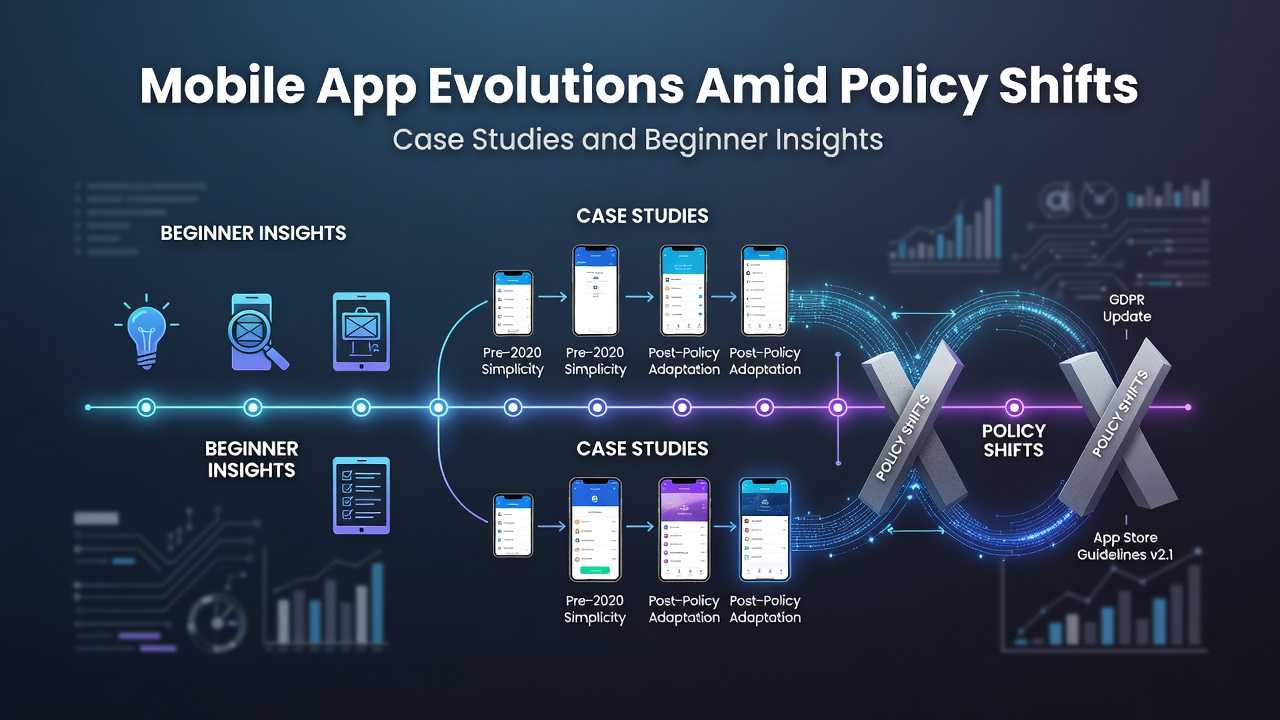
Policy changes across major markets have reshaped how developers build and update mobile applications, and October 2026 marks several key deadlines for compliance with updated data handling rules in multiple regions. Developers track these shifts through official channels while users notice changes in app permissions and features that reflect the new requirements. Research from industry reports shows that app updates in the first half of 2026 incorporated privacy controls and transparency features at higher rates than previous years, according to figures compiled by trade organizations.
Key Policy Changes Driving App Updates
Regulators in the United States, the European Union, and Australia introduced or expanded rules on data collection, app store billing, and content moderation during 2025 and 2026, and these measures prompted widespread modifications in popular applications. The Federal Trade Commission released updated guidance on mobile data practices in early 2026 while the European Commission continued enforcement of digital services regulations that affect app distribution and user consent mechanisms. Australia's eSafety Commissioner expanded oversight on certain app categories, requiring clearer age verification processes that developers implemented through new onboarding flows.
Apps responded by revising permission requests and adding in-app explanations that detail how user information gets used, and these adjustments appear in both established platforms and newer releases. Data from app analytics firms indicates that permission dialog redesigns increased user retention metrics in several categories after initial rollout periods.
Case Study: Fitness Tracking Applications
One fitness tracking service adjusted its backend architecture to separate location data from health metrics following revised guidelines that took effect in multiple jurisdictions, and the company published developer notes describing the technical steps involved. Users received prompts to review and confirm data sharing preferences, which aligned with requirements from oversight bodies in North America and Europe. The update also introduced export tools that allow individuals to download their stored information in standard formats, a feature now common across health-related applications.
Similar modifications appeared in productivity tools where calendar and contact integration options now include granular toggles, and these changes followed patterns observed in earlier regulatory rounds from 2024 onward.

Case Study: Social and Messaging Platforms
Messaging applications expanded end-to-end encryption defaults and added audit logs for content moderation decisions after policy announcements from Canadian and UK authorities emphasized user safety metrics, and developers documented the rollout timelines in public engineering blogs. One platform introduced optional metadata stripping for shared media files, responding to concerns about embedded location information that surface in regulatory reviews. These updates rolled out in phases throughout 2026, with testing groups providing feedback before wider distribution.
Beginners exploring these platforms often encounter setup wizards that walk through privacy settings step by step, and such interfaces reduce confusion when first enabling new security options. Observers note that tutorial content within apps has grown more detailed to address questions about data retention periods and third-party access.
Beginner Insights for Navigating Updated Apps
New users benefit from reviewing permission screens carefully before granting access, since many applications now require explicit confirmation for features like background location tracking or notification preferences. Checking the app's information section reveals details about data usage that align with current disclosure standards, and those sections frequently link to longer policy documents hosted on developer websites. People who have followed recent industry changes find that regular updates often include improved search functions for locating specific settings, which helps when policies evolve.
Testing an app's core functions before enabling optional integrations provides a clearer sense of what each permission enables, and this approach mirrors advice shared in developer forums and user guides published by research institutions. Resources from organizations such as the Federal Trade Commission outline common compliance elements that appear across app categories, while reports from European Commission digital policy pages track enforcement trends that influence future design decisions.
Looking Ahead
Continued monitoring of regulatory announcements remains standard practice for development teams as additional guidelines emerge in late 2026 and beyond, and users who stay informed through in-app notices gain better control over their experience. Patterns from previous transitions show that iterative updates refine these features over successive releases, resulting in interfaces that balance functionality with required disclosures.
Conclusion
Mobile applications continue to adapt through targeted code changes and interface refinements that address policy requirements across regions, and case studies from fitness and messaging sectors illustrate practical implementation approaches. Beginner users encounter clearer guidance within apps themselves, which supports smoother onboarding amid these ongoing adjustments. Tracking official regulatory sources provides the most direct view of upcoming requirements that will shape further evolutions.