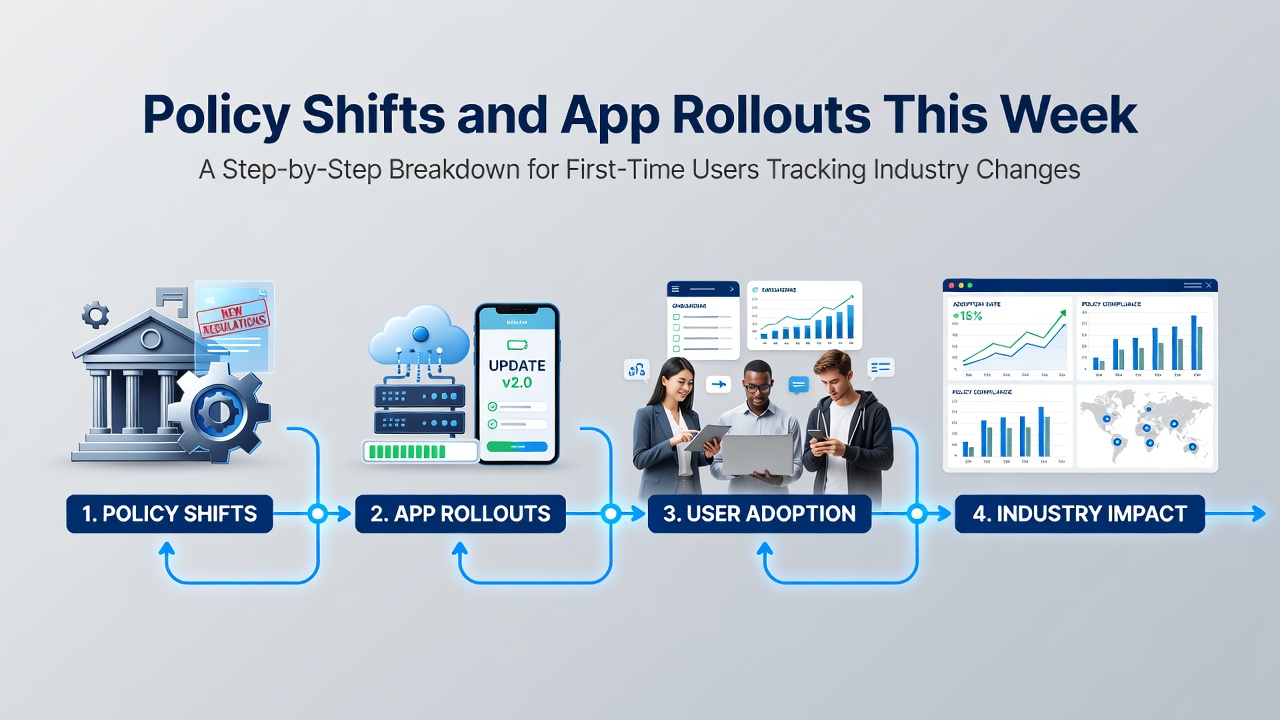
Petra Bauer · 27 September 2026
Policy Shifts and App Rollouts This Week: A Step-by-Step Breakdown for First-Time Users Tracking Industry Changes
Observers tracking technology developments in September 2026 note several coordinated updates from regulatory bodies and major platforms that affect how apps collect data and operate across devices, and these changes arrive alongside new releases from established developers seeking to align with emerging standards. Data from multiple agencies shows increased focus on user consent mechanisms while companies introduce features designed to meet those expectations without disrupting existing services.
Regulatory Updates Across Regions
Agencies in the United States, the European Union, Canada, and Australia released guidance during the first week of September 2026 that clarifies requirements for transparency in data handling, and the Federal Trade Commission issued revised recommendations on how mobile applications must present privacy options during initial setup. Figures from the Australian Competition and Consumer Commission indicate similar emphasis on clear disclosure practices, while Canadian officials updated their digital privacy framework to require explicit opt-in choices for location tracking. Researchers at institutions including the University of Toronto documented patterns in how these rules interact with cross-border data flows, and their analysis shows companies adjusting server configurations in response.
Developers received notice that enforcement timelines begin in early October, which means applications distributed through major stores must demonstrate compliance through updated terms and interface elements. Those who've studied previous rollout cycles recognize that platforms often provide testing tools ahead of deadlines, and this week saw several providers activate such resources for developers managing large user bases.
New App Releases and Feature Adjustments
Major operating system providers introduced incremental updates that incorporate consent management directly into system-level settings, and these changes coincide with launches from productivity and communication apps that emphasize modular permission controls. One study released by an academic consortium revealed that applications adopting granular toggles early experienced higher retention rates during similar transitions in prior years, although the data covers only specific categories rather than all sectors.
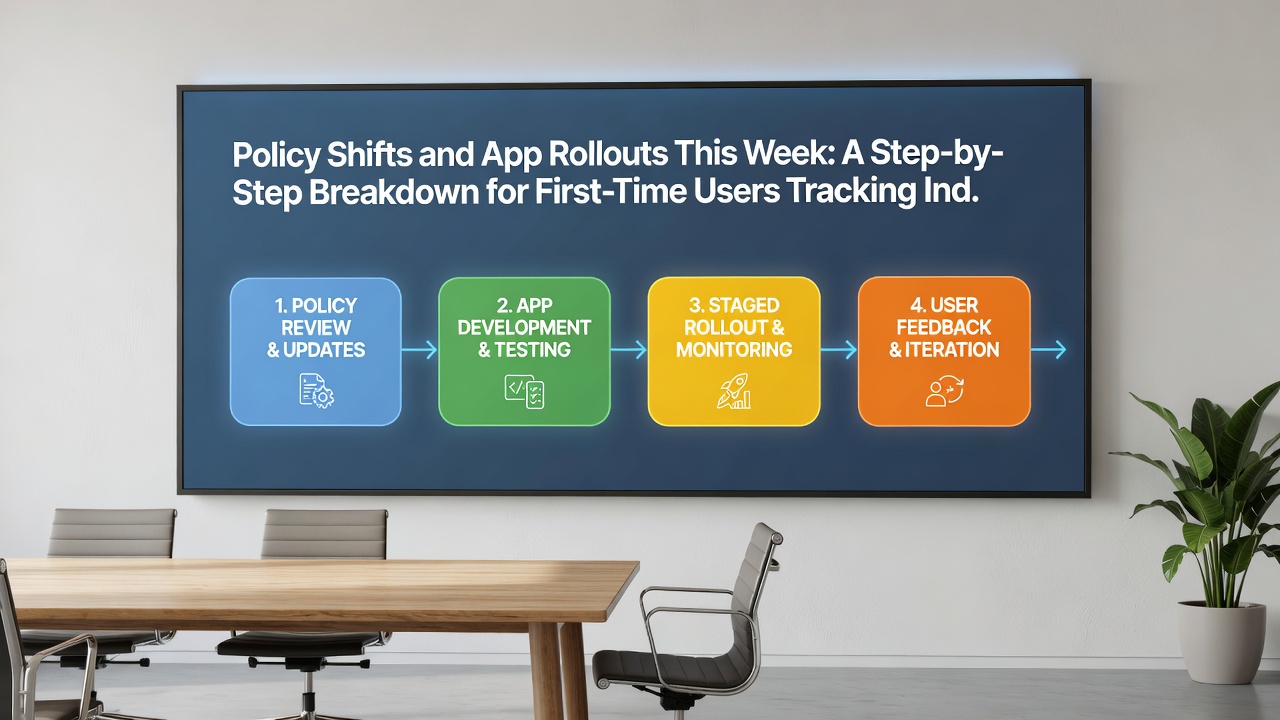
Industry reports compiled by trade associations highlight that gaming and social platforms represent the largest group implementing these adjustments, yet education and health applications also appear in the current wave of releases. Observers note that many updates include simplified dashboards where users review and modify data-sharing preferences in one location, and this approach reduces the number of separate screens required during onboarding.
Step-by-Step Process for Monitoring Changes
People new to following these developments can begin by reviewing official announcements from regulatory agencies in their primary operating regions, then cross-reference those notices against developer blogs and platform policy pages to identify required modifications. The next step involves checking app store listings for version notes that mention privacy enhancements or consent updates, because those descriptions often contain direct references to the underlying rules. After that, users install updates through standard device mechanisms and navigate to the settings menu within each application to verify available controls, while documenting any differences from previous versions for personal records.
Additional tracking becomes straightforward once individuals subscribe to aggregated newsletters from research organizations or government portals, since these sources compile multiple announcements into single weekly summaries. Those who've tried this method frequently discover that setting calendar reminders aligned with expected announcement dates helps maintain consistent awareness without requiring daily checks.
Resources for Ongoing Awareness
According to Federal Trade Commission guidance, individuals can access archived policy documents and comparison charts that illustrate how requirements evolved over recent quarters. A separate analysis published through academic channels at University College London provides case examples from multiple jurisdictions that demonstrate practical implementation steps for both developers and end users.
Conclusion
September 2026 marks another phase where policy refinements and application updates proceed in tandem, and the combination creates opportunities for first-time observers to establish reliable monitoring habits. The documented releases this week reflect coordinated efforts across agencies and platforms, while the available tools and documentation support systematic tracking that remains manageable for those beginning the process. Continued attention to official channels ensures awareness stays current as further adjustments develop in the coming months.